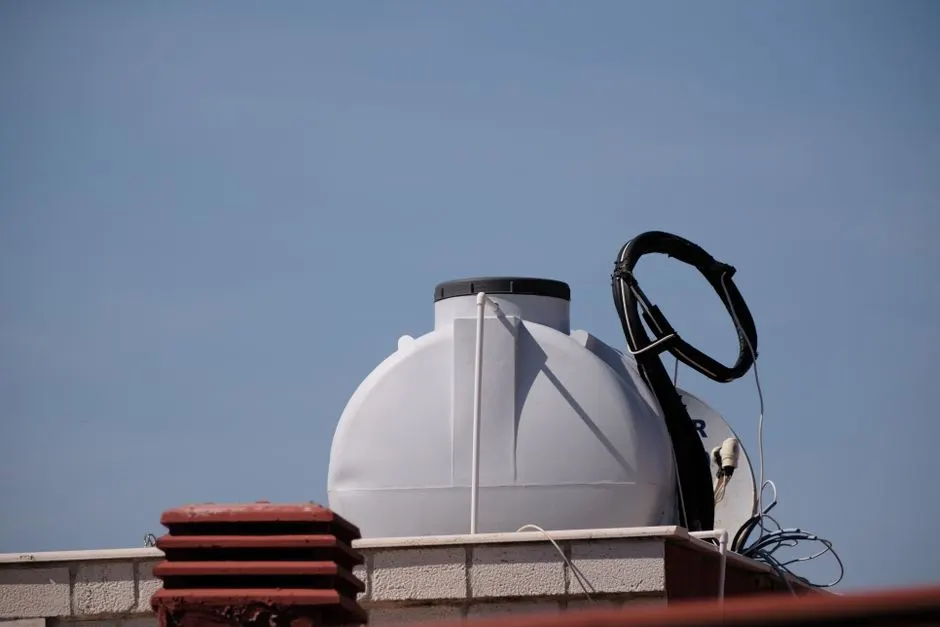
Licensed plumbers, same-day service, code-correct installs
Water Heater Expansion Tank Installation Port Charlotte FL
Water Heater Expansion Tank Installation Port Charlotte FL is what we do daily. If your tank is leaking, corroded, or your water heater keeps tripping the T&P valve, we install a new expansion tank that meets Florida code and protects your plumbing. We handle Rheem, A. O. Smith, Bradford White, and Navien systems. Call (941) 307-1251 for same-day service in Port Charlotte and Charlotte County.
Live phone supportUpfront optionsBacked workmanship
What's included
What Our Expansion Tank Installation Includes
Every install includes the tank, fittings, labor, and a pressure test. Here's what's covered. If your system needs a pressure-reducing valve or a new T&P valve, we'll quote that separately before we start.
ASME-Certified Expansion Tank
We install a new ASME-certified tank sized to your water heater's capacity. For a standard 40-50 gallon heater, that's usually a 2-gallon tank. Larger homes or commercial systems may need a 4-gallon or bigger. We match the tank to your system, not a one-size-fits-all.
Dielectric Union and Flex Connector
We use a new dielectric union to prevent galvanic corrosion between the steel tank and copper piping. A flex connector absorbs vibration and makes future service easier. These small parts are why our installs last longer than a bare-bones swap.
Pressure Test and Calibration
We charge the tank to match your home's static water pressure, typically 50-60 PSI. Then we run the heater through a full cycle and watch the gauge. If pressure holds steady and the T&P valve stays dry, the job is done right.
Old Tank Haul-Away
We remove the old tank and take it with us. No rusted tank sitting in your garage or on the curb. We also wipe down the area and leave the utility closet cleaner than we found it. Small thing, but customers notice.
Code Compliance Check
We verify your setup meets the Uniform Plumbing Code and Florida Building Code. If a Charlotte County permit is required, we pull it and schedule the inspection. You get documentation showing the work was done to code.
Service overview
Water Heater Expansion Tank Installation Port Charlotte FL
Water Heater Expansion Tank Installation Port Charlotte FL is the process of adding or replacing a small pressurized tank on your water heater's cold-water line. That tank absorbs the extra volume created when water heats and expands. Without it, pressure spikes hit your T&P valve, your pipes, and your fixtures. We install ASME-certified tanks sized to your heater's gallon capacity, usually a 2-gallon tank for a 40-50 gallon heater. The job takes 1-2 hours and includes a new dielectric union, flex connector, and pressure gauge test.
Port Charlotte sits in a high-heat, high-humidity climate that ages rubber bladders and steel tanks faster than most of Florida. If your home was built before 2010, your original expansion tank is likely past its service life. We see failed tanks in Harbour Heights, Deep Creek, and Murdock Village every week. A water heater expansion tank service Port Charlotte call is often the difference between a $250 repair and a $1,800 water heater replacement. If you search for water heater expansion tank installation near me Port Charlotte FL, we're the local crew that answers.

How we workWe verify the cause, compare realistic options, and confirm the repair before we leave.
The service timeline
Our Expansion Tank Installation Process
The process flexes to the condition, but these checkpoints keep decisions clear.
System Check
We start by testing your static water pressure with a gauge on a hose bib. If it's above 80 PSI, we note that before touching the tank. We also check the T&P valve, look for sediment buildup, and confirm your heater's gallon capacity. Takes 10-15 minutes.
Shut Off and Drain
We close the cold-water supply valve, kill power or gas to the heater, and drain the line at the lowest fixture. This prevents a mess and lets us remove the old tank safely. We lay down drop cloths and move anything within 3 feet of the heater.
Remove Old Tank
Using a pipe wrench and backup wrench, we disconnect the old expansion tank from its fitting. If the tank is waterlogged or the bladder is ruptured, it'll be heavy. We cap the line temporarily and inspect the threads for corrosion or cross-threading.
Install New Tank
We mount the new ASME-certified tank, usually a 2-gallon model for standard residential heaters. We use a new dielectric union to prevent galvanic corrosion between dissimilar metals, plus a flex connector for strain relief. We set the tank pressure to match your home's static pressure, typically 50-60 PSI.
Pressurize and Test
We reopen the supply, bleed air from the line, and watch the pressure gauge through a full heating cycle. If the T&P valve stays dry and pressure holds steady, we're done. We show you the readings and leave the work area cleaner than we found it.
Tools & methods
Tools and Methods We Use
Purpose-built equipment, used by trained technicians, so the job is done accurately the first time.
Pipe Wrench and Backup Wrench
Used together to break loose the old tank fitting without twisting the pipe behind it. The backup wrench holds the fitting steady while the pipe wrench turns the tank.
Pressure Gauge
We thread a gauge onto a hose bib to read your home's static water pressure. That number tells us how to charge the new expansion tank and whether you need a pressure-reducing valve.
T&P Valve
We inspect and test the temperature and pressure relief valve on every job. If it's stuck or corroded, we replace it. A working T&P valve is your heater's last line of defense.
Dielectric Union
A fitting that separates steel and copper to prevent galvanic corrosion. We install a new one on every tank replacement. It's a small part that makes a big difference in lifespan.
Multimeter
Used on electric heaters to verify power is off before we work and to test heating elements and thermostats if there's an electrical issue alongside the tank problem.
Soldering Torch
For copper line repairs or modifications when the existing piping needs adjustment to fit the new tank. We use it only when necessary and always with a heat shield.
Use cases
When Port Charlotte Homeowners Need This Service
These examples show how the service framework adapts rather than forcing every call through one repair.

Rusted Tank in Punta Gorda Isles
A rusted expansion tank was leaking onto the garage floor in Punta Gorda Isles. The tank shell had corroded through after 12 years of salt air exposure. The heater was still working but pressure was unstable. → We replaced the tank with a new ASME-certified model and added a dielectric union to slow future corrosion. Pressure held steady at 58 PSI through three heating cycles. No more leak.
Missing Tank in Murdock Village
A home in Murdock Village had a new water heater installed without an expansion tank. The T&P valve was dripping and the high-limit switch was tripping. The heater would shut off mid-shower. → We installed a correctly sized 2-gallon tank and verified the T&P valve. The high-limit stopped tripping. The homeowner got consistent hot water back. Job took 1 hour and 15 minutes.
Problems we solve
Problems We Solve with Expansion Tank Installation
A bad expansion tank causes more problems than most homeowners realize. Here's what we fix when we install a new one.
T&P valve dripping or leaking
We install a correctly sized expansion tank that absorbs thermal expansion before it hits the T&P valve. After the install, we test through a full heating cycle to confirm the valve stays dry. Most customers see the dripping stop the same day.
Water heater shutting off mid-cycle
A waterlogged expansion tank can cause pressure to climb until the heater shuts down. We replace the tank, reset the high-limit, and verify the system holds steady through a full recovery cycle. If the thermostat is also failing, we'll quote that separately.
Rusty water from the hot side
We replace the expansion tank and inspect the anode rod while we're there. If the rod is more than 50% consumed, we swap it out. That combination often clears up rusty water and extends the heater's life by several years.
Expansion tank leaking from the fitting
We isolate the line, remove the failed tank, and install a new one with fresh fittings and thread sealant. We pressure-test the connection before we leave. If the leak damaged surrounding drywall or insulation, we'll point it out so you can address it.
Pricing process
What Expansion Tank Installation Costs
$250 - $450 for standard residential installs; $450 - $850 with permit or additional repairs
Tank Size and Type
A standard 2-gallon residential tank costs less than a 4-gallon or commercial-grade tank. Tankless systems sometimes need a different style. We stock common sizes on our trucks to avoid a parts run.
Access and Location
A tank in an open garage is a quick job. A tank in a cramped attic or behind a finished wall takes longer. We'll tell you upfront if access will affect the price.
Permit Requirements
Charlotte County requires a permit for some replacements. If yours does, we pull it and schedule the inspection. That adds $100-$200 to the job but keeps you code-compliant.
Customer reviews
What Port Charlotte Customers Say
★★★★★
“Our T&P valve was dripping every time the heater ran. I figured it was the valve. Turned out the expansion tank was waterlogged. Port Charlotte AquaShield had a new 2-gallon tank on the truck and swapped it in about an hour. No more dripping, and the pressure gauge reads steady. Fair price, no upsell.”
★★★★★
“The expansion tank in our garage was rusted and leaking. I called three plumbers. Two never called back. AquaShield answered, quoted $325 over the phone, and showed up the next morning. They used a dielectric union and tested everything. Clean work. I'll use them again for our rental property.”
★★★★★
“We manage 12 units in Murdock Village. Expansion tanks were failing left and right. AquaShield replaced six in two days and set up a maintenance schedule for the rest. They pulled the Charlotte County permits and handled the inspections. Professional operation, fair pricing, and they actually answer the phone.”
How much does water heater expansion tank installation cost in Port Charlotte FL?
Most residential installs run $250-$450 in 2026, including the tank, fittings, and labor. If we need to pull a Charlotte County permit or add a pressure-reducing valve, expect $100-$200 more. Tankless systems and commercial setups cost more because the tank and fittings are larger. We quote the full job before we start.
Do I need a water heater expansion tank in Port Charlotte Florida?
Yes, if your home has a closed plumbing system. That means a backflow preventer, pressure-reducing valve, or check valve on the main line. Florida Building Code and the Uniform Plumbing Code require thermal expansion control on closed systems. If you're not sure, we can test your setup in 10 minutes and tell you exactly what you need.
Can I install a water heater expansion tank myself in Port Charlotte?
You can, but it's easy to get wrong. The tank must be sized to your heater's capacity, charged to match your home's static pressure, and isolated with a dielectric union to prevent corrosion. If you cross-thread the fitting or skip the pressure test, you'll be back under the house in a month. We fix DIY installs regularly.
Why is my water heater expansion tank leaking in Port Charlotte?
The rubber bladder inside has ruptured, or the tank shell has corroded through. Port Charlotte's humidity and heat speed up that breakdown. Once the bladder fails, the tank fills with water and can't absorb pressure, so it leaks from the fitting or the seam. We replace it with an ASME-certified tank and test the whole system.
Related services
Related Services
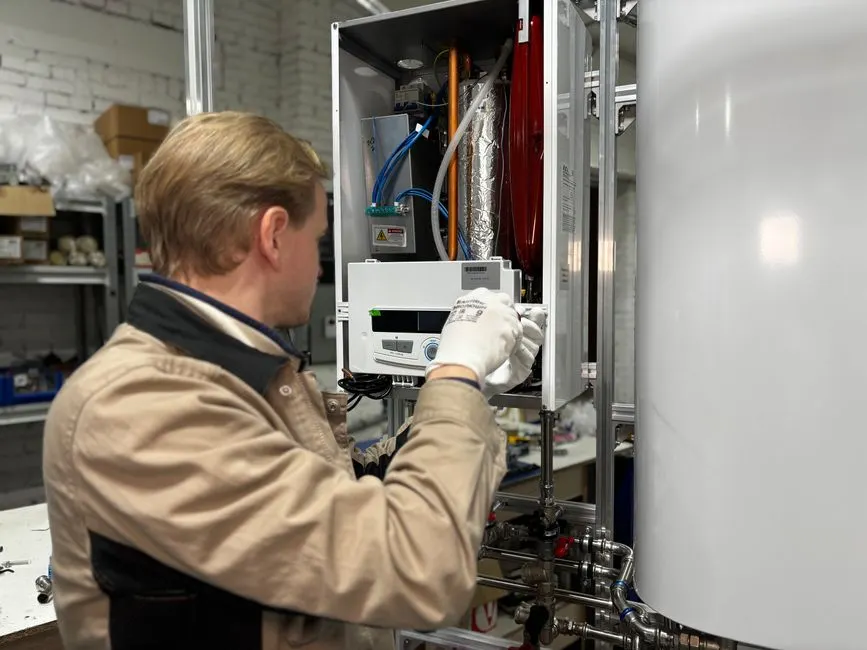
Emergency Water Heater Repair
If your expansion tank fails and floods the closet, call us 24/7. We handle emergency water heater repair across Port Charlotte, including after-hours calls. We'll stop the leak, replace the tank, and check the heater for damage before we leave.
Tankless Water Heater Installation
Tankless heaters also need expansion control. We install tankless water heater systems with properly sized expansion tanks and isolation valves. If you're upgrading from a tank, we'll spec the right tank for your new unit and your home's water pressure.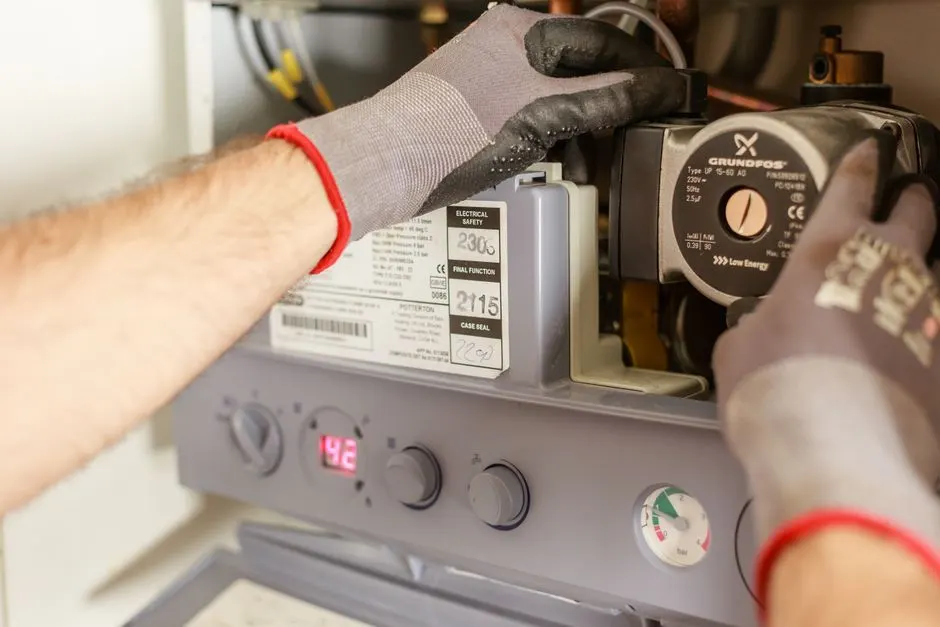
Tankless Water Heater Repair
A failing expansion tank can cause a tankless heater to throw pressure errors or shut off mid-shower. We diagnose tankless water heater repair issues and replace the expansion tank if that's the root cause. Most repairs are done in one visit.Ready when you are
Need Water Heater Expansion Tank Installation Port Charlotte FL?
We're licensed, insured, and stocked with ASME-certified tanks. Same-day service available across Charlotte County. Call now for upfront pricing and a code-correct install.
Talk with the local team
Request Water Heater Expansion Tank Installation
Call, text, or email and we will get you a straight answer on your water heater. We answer the phone from 8 a.m. to 6 p.m. Monday through Friday, and emergency calls are handled around the clock. Most Port Charlotte replacements are scheduled within 24 hours, and many the same day.