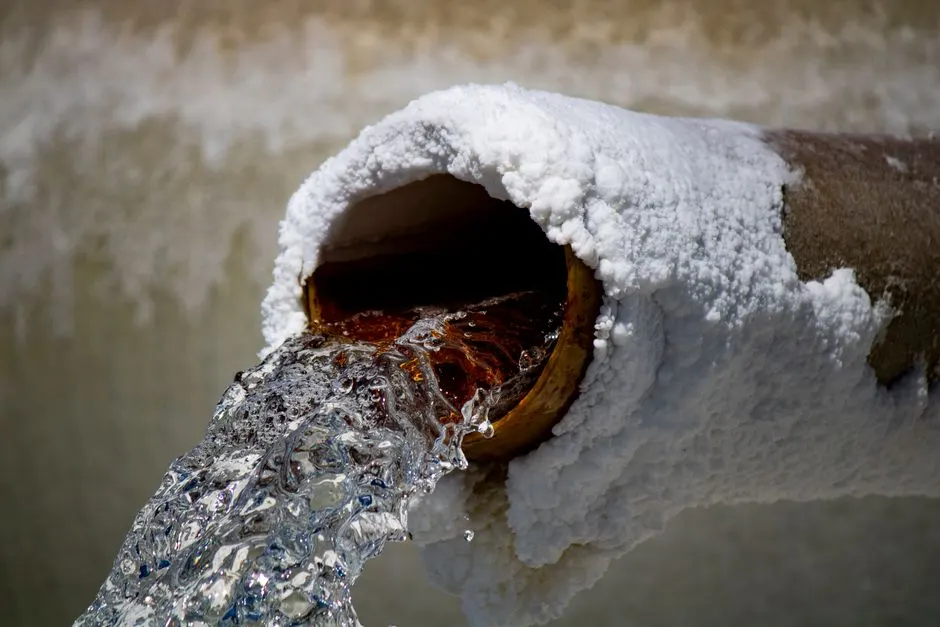
Same-day flushing that restores hot water and stops tank noise
Water Heater Sediment and Mineral Buildup Removal Port Charlotte FL
Water Heater Sediment and Mineral Buildup Removal Port Charlotte FL clears the rock-hard scale that builds up in Charlotte County's mineral-heavy water. If your tank rumbles, your hot water runs short, or your energy bill creeps up, we flush it out the same day. Our licensed plumbers handle gas and electric tanks, tankless units, and every major brand.
Live phone supportUpfront optionsBacked workmanship
What's included
What Our Sediment Removal Service Includes
Every flush is a full-system check, not just a drain and refill. Here's what's covered in the standard price, and what we quote separately if your tank needs it.
Full Tank Flush
We drain the tank, break up the scale layer with a descaling pump, and flush until the water runs clear. Includes a bottom-element pull on electric units so we can vacuum the grit off the tank floor.
Anode Rod Inspection
We pull the anode rod and measure the remaining material. If it's under 50 percent, we quote a replacement on the spot. This is the single most important part protecting your tank lining from corrosion.
T&P Valve Test
We test the temperature and pressure relief valve with a pressure gauge and confirm it opens and reseats correctly. A stuck T&P valve is a safety issue, and sediment is a common cause.
Heating Element Check
On electric tanks we test the element with a multimeter and inspect for scale damage. If it's burned out or heavily coated, we replace it with an OEM part during the same visit.
Written Condition Report
You get a report with the scale level we found, the anode rod reading, the T&P valve result, and a recommended flush interval based on your water source and household size.
Service overview
What Water Heater Sediment and Mineral Buildup Removal Port Charlotte FL Involves
Water Heater Sediment and Mineral Buildup Removal Port Charlotte FL is a plumbing service that pumps fresh water through your tank to break up and flush out the calcium, magnesium, and sand that settle on the bottom of the tank and coat the heating element. Left alone, that layer hardens like concrete, insulates the burner from the water, and forces the unit to run longer for every gallon of hot water.
Port Charlotte sits on some of the hardest groundwater in Southwest Florida, so scale accumulates fast, often within 12 to 18 months. Homeowners in Deep Creek and Harbour Heights call us most often about water heater noise, rusty water, or a unit that shuts off mid-shower. If you're searching for water heater sediment removal near me Port Charlotte FL, our crew can usually be at your door the same day.
How we workWe verify the cause, compare realistic options, and confirm the repair before we leave.
The service timeline
Our Sediment Removal Process
The process flexes to the condition, but these checkpoints keep decisions clear.
Drain and Inspect
We shut off the gas or power, close the cold inlet, and hook a hose to the drain valve. While the tank drains, we check the T&P valve, the anode rod, and the dip tube for wear. Most drains take 15 to 25 minutes on a 50-gallon unit.
Break Up Scale
For heavy buildup we use a descaling pump and a mild food-grade descaler, circulating it through the tank for 30 to 45 minutes. On tankless units we isolate the heat exchanger and run the same loop through the inlet service valves.
Flush and Vacuum
We open the cold supply and let it run until the water coming out of the hose is clear, usually 5 to 10 minutes. Then we pull the bottom element on electric tanks to vacuum out the last of the grit sitting on the tank floor.
Test and Refill
We replace the anode rod if it's under 50 percent, reinstall the element with a new gasket, and refill the tank. A pressure gauge on the drain valve confirms we're back to normal operating pressure before we restore power or gas.
Verify and Report
We run the hot water at the nearest fixture and check the temperature at the T&P valve. You get a written report with the anode rod reading, the scale level we found, and a recommended flush interval for your water quality.
Tools & methods
Tools and Methods We Use
Purpose-built equipment, used by trained technicians, so the job is done accurately the first time.
Descaling Pump
Circulates a food-grade descaler through tank and tankless units to dissolve calcium and magnesium deposits that a plain drain won't touch.
Water Heater Element Wrench
Pulls the lower heating element on electric tanks so we can vacuum the grit off the tank floor instead of leaving it to re-harden.
Anode Rod Wrench
Removes the sacrificial anode for inspection and replacement. It's a 1-1/16 inch socket most homeowners don't have in the garage.
Pressure Gauge
Threads onto the drain valve to confirm system pressure is normal after refill and to test whether the expansion tank is still charged.
Multimeter
Tests heating elements and thermostats for continuity so we know whether scale has damaged them before we put the tank back in service.
Borescope Camera
Lets us look inside the tank at the glass lining and tank floor without cutting anything open, so we can tell you honestly if the shell is failing.
Use cases
When to Schedule a Descale
These examples show how the service framework adapts rather than forcing every call through one repair.
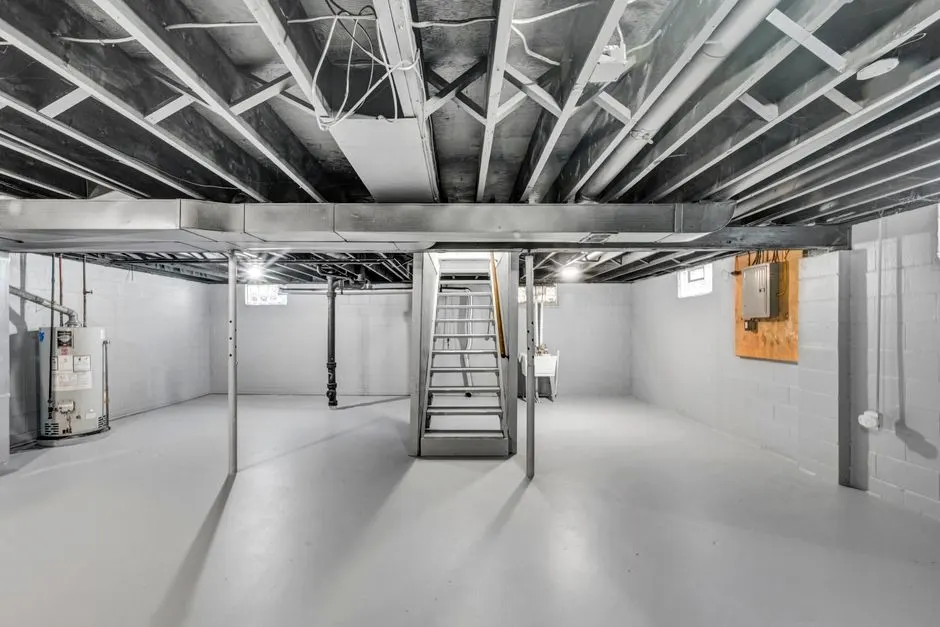
Restoring Hot Water to a Well System
A Harbour Heights family on a private well was running out of hot water after 10-minute showers. The 50-gallon tank was only delivering about 34 gallons of usable hot water, and the water had a faint rust tint. → We descaled the tank, replaced the burned-out lower element, and installed a new anode rod. Usable capacity came back to 48 gallons, and the rust tint cleared within a day. The element test read full continuity afterward.
Clearing a Scaled Tankless Heat Exchanger
A Murdock Village homeowner's Rinnai tankless unit threw a scale error code and shut down mid-shower. The unit was four years old and had never been descaled. The heat exchanger was fouled enough that the unit wouldn't maintain temperature. → We isolated the unit, ran a 45-minute descaling loop through the service valves, and flushed until the solution came out clear. The error cleared and the unit held 120 degrees at the kitchen tap. No parts were needed.
Problems we solve
Sediment Problems We Fix in Port Charlotte
Scale doesn't fix itself, and it rarely shows up alone. These are the four calls we run most often, and what ignoring them costs you.
Loud popping and rumbling from the tank
We break up the scale layer with a descaling pump, vacuum the tank floor, and the noise stops the same visit. Most jobs take two to three hours on a standard tank.
Hot water runs out faster than it used to
A full water heater flush sediment Port Charlotte service restores the tank's rated capacity. We measure the recovery time before and after so you can see the difference.
Rusty or discolored hot water
We flush the tank, replace the anode rod if it's under 50 percent, and inspect the lining with a borescope. If the shell is compromised, we walk you through replacement options honestly.
Heating element burns out every year or two
We pull the element with an element wrench, vacuum the tank floor, and install a new element with a fresh gasket. Then we set you on an annual flush schedule to stop the repeat failures.
Pricing process
What Sediment Removal Costs
$180 - $400 depending on tank type and scale severity
Tank Size and Type
A 40-gallon tank takes less time and less descaler than an 80-gallon unit. Tankless descaling adds cost because we service the heat exchanger and inlet valves separately.
Scale Severity
Light buildup flushes in 30 minutes. Heavy, hardened scale can take two descaling cycles and an element pull, which adds labor time to the job.
Anode Rod Condition
If the anode rod is under 50 percent, we replace it during the visit. The part runs $30 to $80 depending on tank size, and it's the best money you'll spend on tank life.
Customer reviews
What Port Charlotte Customers Say
★★★★★
“Our 50-gallon Rheem was popping so loud we could hear it from the bedroom. The tech pulled the bottom element and showed me a layer of scale almost half an inch thick. After the flush the noise stopped and we get a full shower again. Took about two hours start to finish.”
★★★★★
“We're on a well and the water is brutal on the tank. They descaled it, replaced the anode rod, and tested the T&P valve while they were there. The report they left showed the before and after photos. Fair price and no upsell.”
★★★★★
“I manage six rentals and the sediment buildup was killing tanks every few years. Now they flush each one annually on a schedule. Two years in, zero tank failures and the tenants stopped calling about rusty water. Worth every dollar.”
How much does water heater sediment removal cost in Port Charlotte FL?
Most tank flushes run $180 to $320 in 2026, and tankless descaling runs $220 to $400 depending on zones. Heavy scale, a seized drain valve, or a failed anode rod can push the total higher. We quote the price before we start, so you know the number before we touch the tank.
How often should I descale my water heater in Port Charlotte Florida?
Once a year is the right interval for most Port Charlotte homes because of our hard water. If you're on a private well in Gulf Cove or El Jobean, every 8 to 10 months is safer. Tankless units need annual descaling too, and skipping it voids most manufacturers' warranties.
Can I remove sediment from my water heater myself in Port Charlotte?
You can drain a tank with a garden hose, but the hard scale bonded to the tank floor and heating element won't come out that way. You also risk a burned element if you power the tank back up before it's full. A descaling pump and element wrench make the difference, which is why most homeowners call us.
Why does my water heater have sediment buildup in Port Charlotte?
Port Charlotte's water carries dissolved calcium and magnesium. When the tank heats, those minerals drop out of solution and settle on the bottom. The layer hardens over time, traps heat, and causes the popping and rumbling you hear. Annual flushing keeps it from becoming a tank-killer.
Related services
Related Services
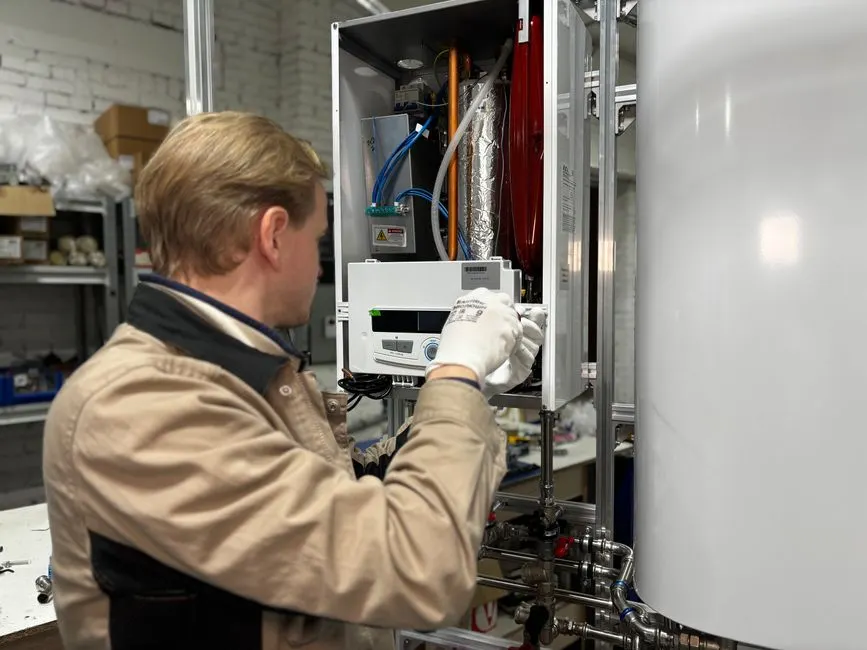
Emergency Water Heater Repair
When sediment clogs a drain valve and the tank starts leaking, we roll 24/7. Same-day emergency repair across Port Charlotte, with parts on the truck for Rheem, A. O. Smith, and Bradford White units.
Tankless Water Heater Installation
Hard water is the number one killer of tankless units. If your old tank is scaled beyond saving, we install Rinnai, Navien, and Noritz systems sized for your fixtures, with a descaling valve kit so future flushes are quick.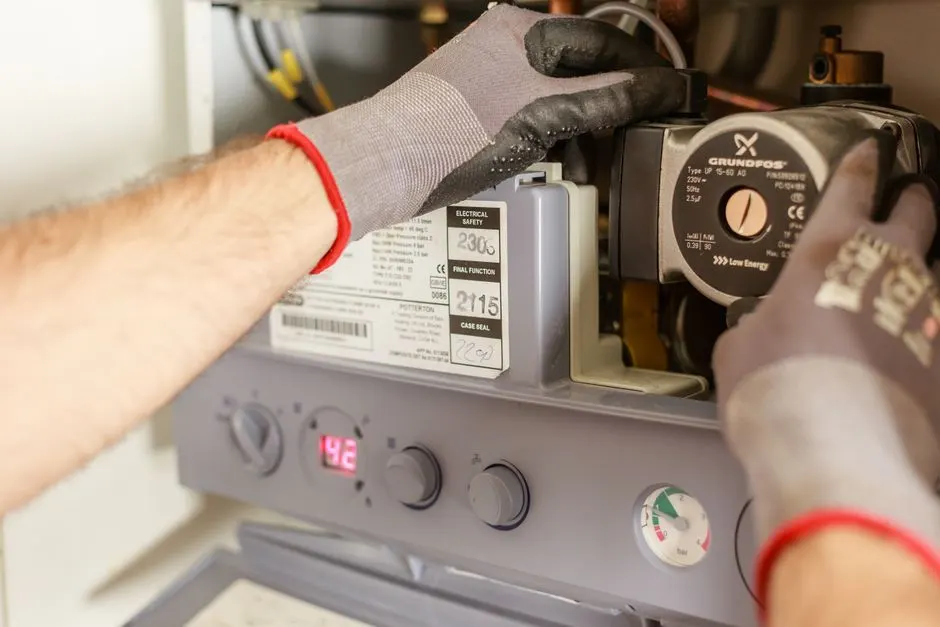
Tankless Water Heater Repair
Scale builds up in the heat exchanger and throws error codes. We isolate the unit, run a descaling pump through the service valves, and replace the flow sensor or igniter if the buildup damaged them.Ready when you are
Book Water Heater Sediment and Mineral Buildup Removal Port Charlotte FL
Call (941) 307-1251 and we'll get your tank flushed, your anode rod checked, and your hot water back to full capacity. Same-day appointments are usually available, and you'll know the price before we start.

Talk with the local team
Request Water Heater Sediment and Mineral Buildup
Call, text, or email and we will get you a straight answer on your water heater. We answer the phone from 8 a.m. to 6 p.m. Monday through Friday, and emergency calls are handled around the clock. Most Port Charlotte replacements are scheduled within 24 hours, and many the same day.