How to Flush a Tankless Water Heater to Prevent Hard Water Damage
Port Charlotte's hard water destroys tankless heaters faster than anything else. Here's the exact flush process, how often to do it, and what it costs in 2026.
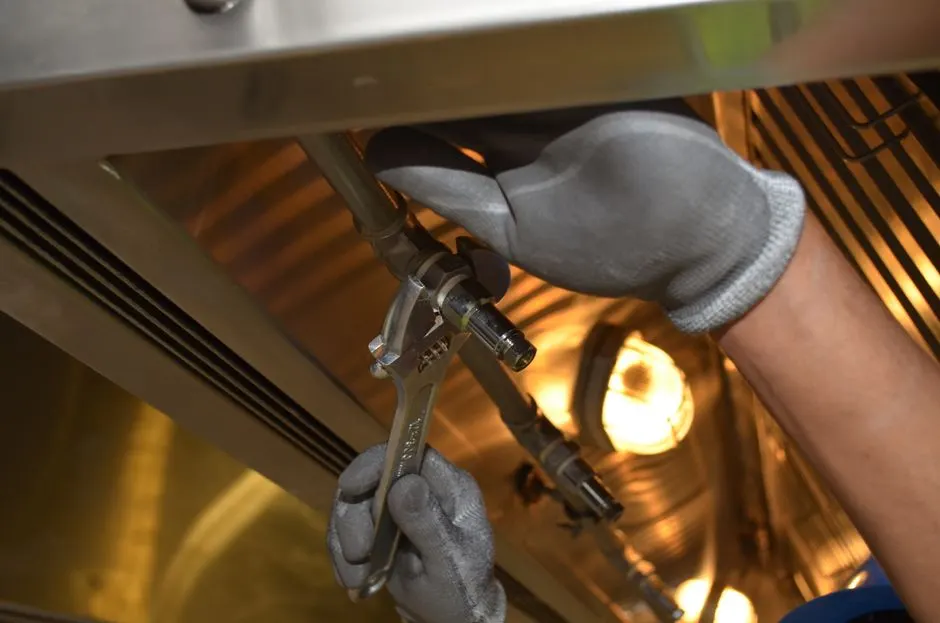
Flushing a tankless water heater means pumping a food-grade descaling solution through the heat exchanger to dissolve the calcium and magnesium scale that Port Charlotte's water leaves behind. You shut off the gas and water, connect a submersible pump and two hoses to the service valves, and circulate the solution for 45 to 60 minutes. That process is water heater maintenance and flushing Port Charlotte FL in its most basic form, and skipping it is the number one reason tankless units fail early here.
Port Charlotte's municipal water runs 8 to 12 grains per gallon of hardness. That is hard enough to coat a heat exchanger with visible scale in under two years if you never flush. The rest of this post walks through the exact steps, the tools, the 2026 costs, and the mistakes that turn a $200 maintenance job into a $1,800 replacement.
Why Port Charlotte's Hard Water Destroys Tankless Heaters
Hard water in Port Charlotte leaves calcium carbonate deposits inside the copper heat exchanger every time the unit fires. Those deposits act like insulation. The burner has to run longer and hotter to push the same heat through the metal, and the metal eventually cracks or the flow sensor clogs.
We have pulled heat exchangers out of three-year-old units in Port Charlotte that looked like they had been dipped in concrete. The scale was 2 to 3 millimeters thick in the narrowest channels. At that point descaling does not fix it. You are looking at a tankless water heater replacement Port Charlotte FL instead of a maintenance visit.
Hard water also attacks the inlet filter screen and the flow sensor. A clogged filter drops your flow rate below the activation threshold, so the unit stops firing altogether. Homeowners call us thinking the heater is dead. Nine times out of ten it just needs a flush and a new filter screen.
If you live in a newer development off Toledo Blade or up near the Murdock area, your water is the same. Hardness does not change much across the county. What changes is how often you need to flush, and that depends on how much hot water your household uses.
How Often Should You Flush a Tankless Water Heater in Port Charlotte?
Flush your tankless water heater in Port Charlotte every 12 months if you have a water softener, and every 6 to 8 months if you do not. That is the short answer. The longer answer depends on three things: your water hardness, your daily hot water usage, and whether the unit has a built-in scale prevention feature.
Here is how we break it down for customers:
- No softener, 2+ bathrooms, daily use: flush every 6 months.
- No softener, 1 bathroom, light use: flush every 8 to 10 months.
- With softener: flush every 12 months.
- Rinnai or Navien with scale detection: follow the unit's maintenance code, but do not stretch past 12 months.
Most manufacturers recommend annual descaling. In Port Charlotte, annual is the absolute maximum. We see scale buildup at 10 months in homes without a softener. If you wait two years, you are rolling the dice on a cracked heat exchanger.
You can also watch for signs. Reduced hot water flow, a rumbling sound during heating, or the unit short-cycling on and off are all early warnings. If you notice any of those, flush it now and check the inlet filter.
What You Need Before You Start
You need five things to flush a tankless water heater yourself: a submersible pump rated for at least 1/3 horsepower, two 5-gallon buckets, two short washing machine hoses, a gallon of food-grade descaling solution (white vinegar works in a pinch but takes longer), and a wrench for the service valve caps.
Most tankless units have two brass service valves on the bottom: one on the cold inlet, one on the hot outlet. If your unit does not have them, you will need to install a service valve kit first. That is a 20-minute job for a plumber and a frustrating afternoon for a homeowner.
You also need to know where your gas shutoff and water shutoff are. On a gas tankless unit, kill the gas at the dedicated valve near the heater. On an electric tankless unit, flip the breaker. Do not skip this step. Running the pump with the burner live is dangerous and can damage the unit.
If you are not comfortable working around gas lines or 240-volt wiring, stop here and call us. The tankless water heater repair Port Charlotte FL call is cheaper than a hospital visit.
Step-by-Step: How to Flush a Tankless Water Heater
The full flush takes about 90 minutes start to finish. Here is the process we use on every tankless water heater installation Port Charlotte FL we service afterward, and the same process you can do yourself.
- Shut off the gas and water. Close the gas valve. Close the cold water inlet valve on the service valve. Open a hot water tap somewhere in the house to relieve pressure.
- Connect the hoses. Attach one hose from the cold service valve to the pump outlet. Attach the second hose from the hot service valve back into your bucket.
- Set up the loop. Put the pump in a 5-gallon bucket. Pour in one gallon of descaling solution and four gallons of water. Put the return hose in the same bucket.
- Open the valves and start the pump. Open both service valves. Plug in the pump. You should see solution circulating and returning to the bucket.
- Circulate for 45 to 60 minutes. The solution will turn cloudy and warm. That is the scale dissolving. For heavy buildup, run it 90 minutes.
- Flush with clean water. Dump the bucket, refill with clean water, and circulate for 5 minutes to rinse the system.
- Disconnect and restore. Close the service valves, remove the hoses, reopen the cold water inlet, and turn the gas back on. Run a hot tap for 2 minutes to purge air.
If you see chunks of white material in the bucket, that is scale. The more you see, the longer you waited. A clean flush produces almost no debris.
How Much Does a Tankless Water Heater Flush Cost in Port Charlotte?
A professional tankless water heater flush in Port Charlotte costs $150 to $300 in 2026, depending on the unit's condition and whether the inlet filter needs replacing. That price includes the descaling solution, the labor, and a basic function check.
If you do it yourself, you will spend $40 to $60 on solution and supplies the first time, plus $80 to $120 for a pump if you do not already own one. The pump pays for itself after two flushes.
Compare that to the alternative. A failed heat exchanger means a full replacement. A new tankless unit installed runs $1,800 to $3,500 in this area, depending on BTU capacity and venting. Annual flushing is the cheapest insurance you can buy for that equipment.
Some homeowners ask about water heater descaling Port Charlotte for tank units too. The process is different, but the principle is the same. Sediment settles at the bottom of a tank and must be drained, not circulated.
Common Mistakes That Damage Tankless Heaters
The biggest mistake is using the wrong solution. Household bleach, muriatic acid, and automotive radiator flush will all corrode the heat exchanger. Use only food-grade descaling solution or white vinegar. If the label does not say food-grade, do not put it in your water heater.
The second mistake is running the pump with the gas on. The burner will fire during the flush and overheat the exchanger. Always kill the gas or breaker first.
The third mistake is forgetting the inlet filter. That little screen on the cold water inlet catches debris and scale. Pull it out, rinse it, and replace it if it is torn. A clogged filter starves the unit and causes error codes.
The fourth mistake is not flushing long enough. Thirty minutes is not enough for Port Charlotte water. Run it 45 to 60 minutes minimum. If you see heavy scale, run it 90.
Finally, do not skip the annual flush because the unit is working fine. Tankless heaters do not fail gradually. They fail when the heat exchanger cracks, and that happens suddenly. By the time you notice, the damage is done.
When to Call a Professional
Call a professional if your unit has never been flushed, if you see error codes on the display, if the water flow is weak, or if you are not comfortable working around gas and electricity. We handle tankless flushes every week in Port Charlotte, and we can tell you in five minutes whether your unit needs descaling or replacement.
We also check the anode rod, the pressure relief valve, and the venting while we are there. Those are the parts that cause the most expensive failures. A $200 maintenance visit can prevent a $3,000 replacement.
If you are in a commercial building, the stakes are higher. A failed tankless heater means no hot water for customers or tenants. We offer commercial water heater services Port Charlotte FL with priority scheduling so your business does not go cold.
Frequently Asked Questions
How often should I flush my tankless water heater in Port Charlotte FL?
Every 6 to 8 months without a water softener, or every 12 months with one. Port Charlotte water runs 8 to 12 grains per gallon of hardness, which is high enough to scale a heat exchanger in under two years if you skip maintenance.
Can I flush my tankless water heater myself in Port Charlotte?
Yes, if your unit has service valves and you are comfortable shutting off gas or electricity. The job takes about 90 minutes and costs $40 to $60 in supplies. If your unit lacks service valves or you see error codes, call a pro.
How much does tankless water heater flush cost in Port Charlotte?
Professional flushes run $150 to $300 in 2026, including solution and a function check. DIY supplies cost $40 to $60 plus a pump if you need one. A new tankless unit installed costs $1,800 to $3,500, so annual flushing is far cheaper.
Why does hard water damage tankless water heaters in Port Charlotte?
Calcium and magnesium in the water form scale inside the heat exchanger. That scale insulates the metal, forcing the burner to run hotter and longer. Eventually the exchanger cracks or the flow sensor clogs, and the unit stops producing hot water.
What happens if I never flush my tankless water heater?
Scale builds up until the heat exchanger fails. In Port Charlotte that typically happens within 3 to 5 years on unflushed units. A cracked exchanger cannot be repaired, so you will need a full replacement.
Get Help With Water Heater Replacement in Port Charlotte
If your tankless heater is already showing scale damage, we can tell you whether a flush will save it or whether you need a new unit. We install and service every major brand, and we stock the parts that fail most often in Port Charlotte's water.
Call Port Charlotte AquaShield at (941) 307-1251 to schedule a flush or a replacement estimate. We will give you a straight answer and a flat price before we start.